
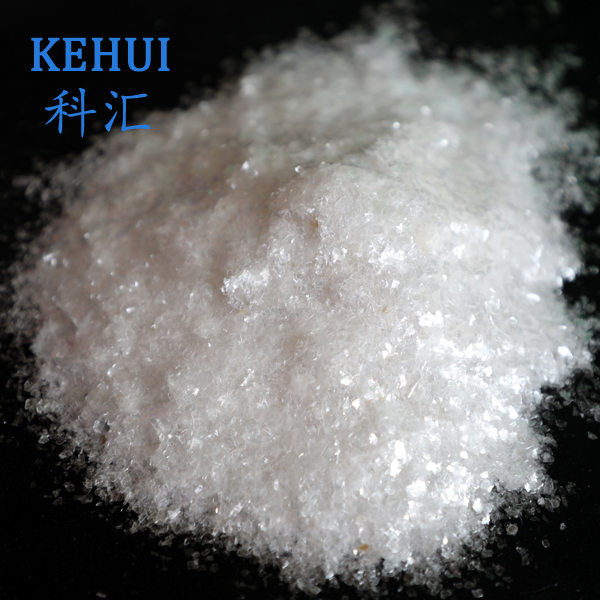
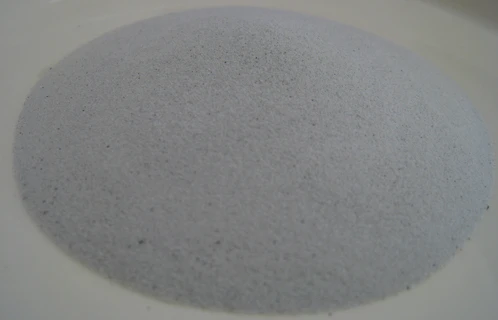
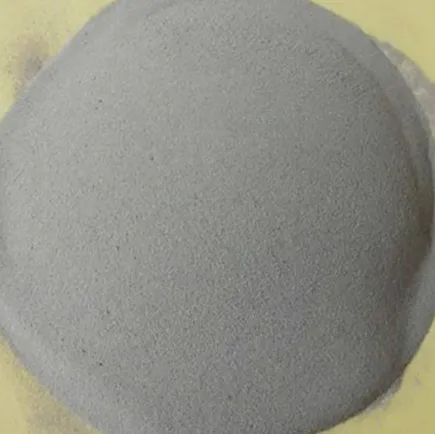

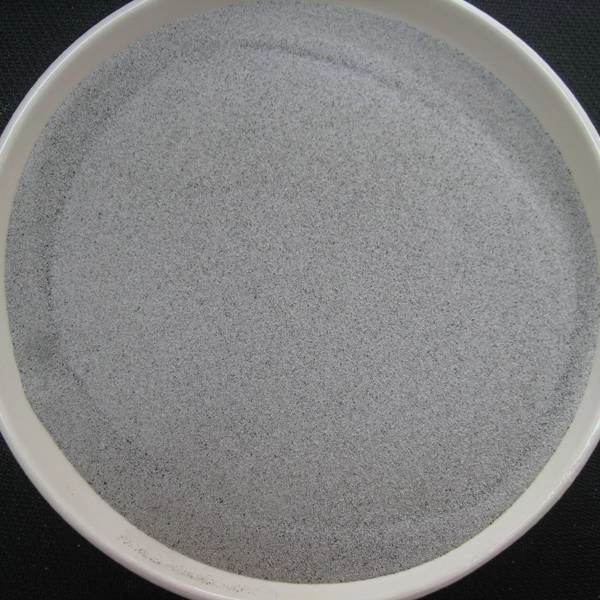

muscovite powder
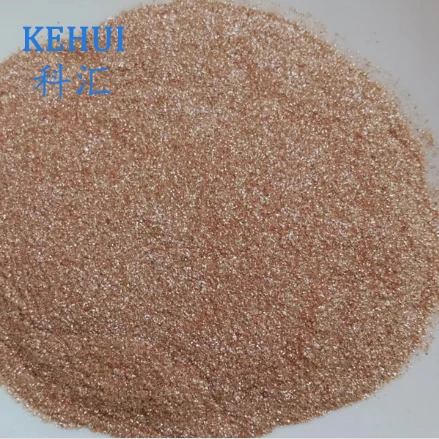
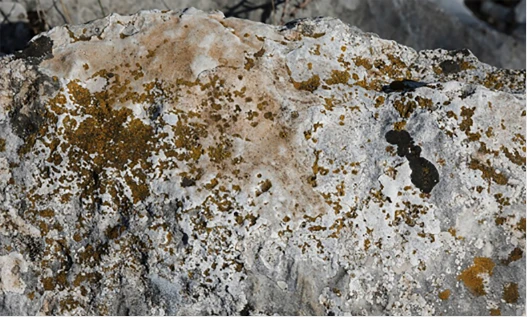
Industry Trends and Market Dynamics for Muscovite Mica Powder The global market for Muscovite Mica Powder is experiencing robust growth, driven by its unparalleled lamellar structure, high aspect ratio, and exceptional thermal, electrical, and chemical resistance properties. Key trends include increasing demand from the automotive industry for lightweight composites, the electronics sector for advanced insulation materials, and the burgeoning sustainable coatings market where mica serves as an eco-friendly functional filler. Manufacturers, including any 40 mesh Dry Ground Muscovite Mica Powder factory , are focusing on energy-efficient production methods, enhancing particle size control, and developing specialized grades to meet evolving application requirements. The emphasis on sustainability also translates to greater scrutiny on raw material sourcing and processing efficiencies. Technological advancements in grinding and classification are enabling finer control over particle shape and distribution, which are critical for high-performance applications. The demand for specific mesh sizes, such as 40 mesh, is particularly strong in applications requiring excellent surface coverage, barrier properties, and reinforcement without significant thickening. The market is also seeing a shift towards higher purity and whiteness, especially in cosmetic and high-end coating formulations, pushing factories to refine their beneficiation processes. Detailed Manufacturing Process: Dry Ground Muscovite Mica Powder Production The production of high-quality dry ground Muscovite Mica Powder, such as that from a 40 mesh Dry Ground Muscovite Mica Powder factory , involves a series of carefully controlled mechanical and physical processes designed to preserve the inherent properties of the raw mica ore. The process flow ensures optimal particle size distribution, purity, and functional characteristics for diverse industrial applications. The primary material is carefully selected Muscovite mica ore, renowned for its excellent cleavage, flexibility, and thermal stability. Process Flow Overview: Raw Material Sourcing & Inspection: High-grade Muscovite mica ore is ethically sourced and subjected to initial visual and compositional checks to ensure minimal impurities and consistent quality. Primary Crushing: Large mica rocks are fed into jaw crushers or impact crushers, reducing them to smaller, manageable aggregate sizes (e.g., 10-50 mm). This stage prepares the material for drying and subsequent fine grinding. Drying: The crushed mica is then transferred to rotary dryers or fluid-bed dryers to remove surface moisture. This step is crucial for efficient grinding and to prevent agglomeration. Maintaining a low moisture content (typically <0.5%) is essential for dry grinding. Secondary Grinding (Milling): The dried mica aggregates are introduced into specialized grinding mills. For dry grinding, equipment such as Raymond mills, ball mills, or high-speed pulverizers are utilized. The objective is to gently delaminate the mica flakes, preserving their high aspect ratio, while progressively reducing particle size. Classification & Sizing: This is a critical stage for achieving the precise 40 mesh specification. Air classifiers or vibrating screens are employed to separate particles based on size. Oversized particles are returned to the grinding mill for further processing, while undersized particles are separated, ensuring a narrow particle size distribution centered around 425 microns (40 mesh). Dedusting & Collection: Fine dust generated during grinding and classification is captured using dust collection systems, ensuring product purity and environmental compliance. The classified mica powder is collected in hoppers. Quality Control & Testing: Throughout the process, and especially post-classification, rigorous quality control checks are performed. This includes: Particle Size Analysis (PSA): Sieve analysis (e.g., using ASTM D1539, ISO 787/7) to confirm 40 mesh compliance. Whiteness & Brightness: Spectrophotometric analysis to meet industry benchmarks. Specific Gravity & Bulk Density: Measured to ensure consistency. Chemical Composition: X-ray Fluorescence (XRF) to verify purity and elemental composition. Moisture Content: Checked with moisture analyzers. Packaging: The finished 40 mesh Dry Ground Muscovite Mica Powder is carefully packaged in various sizes (e.g., 25 kg bags, jumbo bags) to prevent contamination and maintain product integrity during storage and transport. This meticulous process ensures that the end product adheres to stringent industry standards such as ISO 9001 for quality management and relevant ASTM/ANSI specifications for material properties. The average service life of mica in end-use applications is virtually indefinite due to its inert nature, with performance dictated by the matrix it is incorporated into. Target industries include paints & coatings, plastics, rubber, welding electrodes, and oil & gas drilling. In typical application scenarios, such as anti-corrosive coatings, 40 mesh Dry Ground Muscovite Mica Powder factory products demonstrate superior energy saving by reducing maintenance cycles and offer excellent corrosion resistance, extending the lifespan of infrastructure. Figure 1: High-grade Muscovite Mica Ore prior to processing at a state-of-the-art factory. Technical Specifications and Product Parameters Understanding the precise technical specifications of 40 mesh Dry Ground Muscovite Mica Powder factory output is crucial for engineers and procurement specialists. These parameters directly influence the performance and suitability of the mica powder in various advanced applications. Our commitment to strict quality control ensures that each batch meets or exceeds industry benchmarks. Typical Product Specification for 40 Mesh Dry Ground Muscovite Mica Powder Parameter Value/Range Test Method/Standard Particle Size (D90) ≤ 425 µm (40 Mesh) ASTM D1539 / ISO 787/7 (Sieve Analysis) Specific Gravity 2.8 - 2.9 g/cm³ ASTM D854 Bulk Density (Loose) 0.15 - 0.25 g/cm³ ASTM D1895 Hardness (Mohs Scale) 2.8 - 3.2 Mohs Scale Reference Whiteness (Hunter L value) ≥ 75 ASTM E313 / ISO 2470 Loss on Ignition (LOI) @ 1000°C ≤ 0.5% ASTM D7348 Moisture Content ≤ 0.3% ASTM D280 Aspect Ratio ≥ 30:1 Image Analysis (Typical) Chemical Composition (Typical Analysis) Component Percentage (%) SiO² 45 - 50 Al²O³ 30 - 35 K²O 8 - 10 Fe²O³ 1 - 3 MgO ≤ 0.5 Na²O ≤ 0.5 These specifications underscore the exceptional quality and consistency achievable by a dedicated 40 mesh Dry Ground Muscovite Mica Powder factory , making it a reliable choice for critical industrial applications. Application Scenarios and Technical Advantages The unique properties of 40 mesh Dry Ground Muscovite Mica Powder factory products lend themselves to a wide array of high-performance applications across various industries. Its lamellar structure provides excellent barrier properties, while its thermal and electrical insulation capabilities are highly valued. Key Application Areas: Paints and Coatings: Used as an extender pigment and functional filler. Its high aspect ratio improves adhesion, provides excellent barrier to moisture and oxygen, enhancing corrosion resistance and preventing mud cracking. It also contributes to UV stability, extending the service life of exterior coatings. Plastics and Polymers: Acts as a reinforcing filler, increasing tensile strength, flexural modulus, and heat distortion temperature. It significantly reduces warpage and shrinkage in molded parts, improving dimensional stability. Common in automotive components, electrical enclosures, and engineering plastics. Rubber Industry: Incorporating mica powder improves stiffness, tear strength, and abrasion resistance. It also helps in mold release and reduces gas permeability in rubber products like tires and conveyor belts. Welding Electrodes: A crucial component in electrode flux coatings, providing arc stability, slag control, and improved weld metal properties. Its high melting point and insulating properties are vital here. Oil & Gas Drilling Muds: Functions as a loss circulation material (LCM), sealing porous formations and preventing drilling fluid loss. The flaky particles effectively plug cracks and fissures. Construction Materials: Utilized in joint compounds, textured paints, and asphalt shingles for improved durability, crack resistance, and weatherproofing. Technical Advantages: Corrosion Resistance: The platy structure creates a tortuous path for corrosive agents, significantly improving the anti-corrosive performance of coatings. Dimensional Stability: Reduces shrinkage and warpage in plastics and elastomers due to its reinforcing effect and low thermal expansion. Thermal Stability: High decomposition temperature makes it suitable for high-temperature applications. Electrical Insulation: Excellent dielectric strength and low electrical conductivity make it ideal for electrical and electronic applications. Chemical Inertness: Resistant to most chemicals, acids, and alkalis, ensuring long-term performance in harsh environments. Sound Damping: Can contribute to noise reduction in certain composite applications. Figure 2: Dry ground Muscovite Mica Powder, exhibiting its characteristic platy structure, ready for industrial integration. Vendor Comparison and Customized Solutions When selecting a supplier for 40 mesh Dry Ground Muscovite Mica Powder factory , several factors beyond just price are paramount. Reliability, consistency, technical support, and the ability to offer customized solutions are critical for long-term partnership success. A reputable factory distinguishes itself through stringent quality control and a deep understanding of customer application needs. Key Vendor Comparison Criteria: Quality & Consistency: Verified by certifications (e.g., ISO 9001, REACH compliance), batch-to-batch consistency, and adherence to specified technical parameters. Technical Expertise: Ability to provide detailed technical data sheets, application-specific recommendations, and troubleshooting support. Production Capacity & Lead Time: A robust manufacturing infrastructure ensuring consistent supply and meeting delivery schedules. Customization Capabilities: Flexibility to tailor particle size distribution, whiteness, or surface treatments for unique application demands. Sustainability Practices: Ethical sourcing, environmentally responsible processing, and energy-efficient operations. Customer Support & After-Sales Service: Responsiveness, clear communication, and support for post-delivery inquiries. Our Customized Solutions: At Kehui Mica, we understand that standard products may not always perfectly align with every unique application requirement. As a specialized 40 mesh Dry Ground Muscovite Mica Powder factory , we offer comprehensive customized solutions, leveraging our advanced grinding and classification technologies. This includes: Tailored Particle Size Distributions: Adjusting milling parameters and classifier settings to achieve specific D50 or D90 values beyond standard 40 mesh, catering to precise rheological or optical needs. Surface Treatment: Offering silane or other coupling agent treatments to enhance compatibility and adhesion with specific polymer matrices, improving composite performance. Whiteness Optimization: Supplying grades with enhanced whiteness for color-critical applications, often achieved through selective sourcing and optimized beneficiation. Specialized Packaging: Providing bespoke packaging solutions, including specific bag sizes, bulk bags, or material handling considerations to integrate seamlessly into your production line. Application Case Studies and Customer Experience Real-world application demonstrates the tangible benefits derived from high-quality 40 mesh Dry Ground Muscovite Mica Powder factory products. Our partners have consistently achieved superior performance and cost efficiencies by integrating our mica powder into their formulations. Case Study 1: Enhanced Anti-Corrosive Coatings for Industrial Infrastructure Client: Global Paints & Coatings Manufacturer (North America) Challenge: Improve the long-term corrosion resistance and durability of high-performance epoxy-based industrial coatings used on bridges and offshore platforms. Solution: We supplied our 40 mesh Dry Ground Muscovite Mica Powder. Its high aspect ratio and platy morphology created a complex, tortuous path within the coating film, significantly impeding the penetration of moisture and aggressive ions. Result: Post-application testing (salt spray ASTM B117, accelerated weathering ASTM G154) showed a 30% increase in corrosion protection life compared to formulations using conventional fillers. The client reported reduced maintenance cycles and extended asset life, leading to significant operational cost savings. Case Study 2: Dimensional Stability in Automotive Thermoplastics Client: Tier-1 Automotive Component Supplier (Europe) Challenge: Minimize warpage and shrinkage in injection-molded polypropylene (PP) components for interior automotive applications, ensuring precise fit and finish. Solution: Our 40 mesh Dry Ground Muscovite Mica Powder was integrated into their PP compound formulation at an optimized loading. The mica's reinforcing effect and low coefficient of thermal expansion effectively counteracted the natural shrinkage of PP. Result: The client achieved a 25% reduction in warpage and a more consistent shrinkage rate across various molding conditions. This enabled them to meet stringent dimensional tolerances, reduce scrap rates, and improve overall product quality. The material was approved for serial production, highlighting the reliability of our 40 mesh Dry Ground Muscovite Mica Powder factory output. Trustworthiness: FAQ, Lead Time, Warranty, and Support Frequently Asked Questions (FAQ) Q: What is the recommended storage condition for your 40 mesh Dry Ground Muscovite Mica Powder? A: Our mica powder should be stored in a dry, cool environment, away from direct sunlight and moisture. Keep bags sealed to prevent contamination and maintain product integrity. Under these conditions, the product has an indefinite shelf life. Q: Is your product suitable for food contact or pharmaceutical applications? A: Our standard 40 mesh Dry Ground Muscovite Mica Powder factory product is primarily designed for industrial applications. For food contact or pharmaceutical grades, specific certifications (e.g., FDA compliance) and processing protocols are required. Please contact us for specialized grades if these applications are intended. Q: Can you provide samples for testing? A: Yes, we typically provide samples for qualified industrial clients. Please contact our sales team with your specific requirements and application details to arrange for sample delivery. Lead Time & Fulfillment Standard lead time for our 40 mesh Dry Ground Muscovite Mica Powder is typically 7-14 business days for quantities up to 20 metric tons, following order confirmation and payment processing. For larger volumes or customized orders, lead times may vary and will be communicated clearly during the quotation process. We maintain robust inventory levels of raw materials and finished products to ensure prompt fulfillment and can accommodate urgent requests where feasible through our agile production planning. Warranty Commitments We warrant that our 40 mesh Dry Ground Muscovite Mica Powder factory products conform to the specifications provided in our technical data sheets and certificates of analysis for a period of 12 months from the date of shipment, provided they are stored and handled correctly. Our warranty covers material defects and non-conformance to agreed specifications. Any claims must be submitted within the warranty period, accompanied by relevant batch information and test results. Customer Support & After-Sales Service Our commitment extends beyond product delivery. We offer comprehensive technical support to assist you with product selection, application guidance, and troubleshooting. Our experienced technical team is available via phone and email during business hours to answer your queries and provide expert advice. We also offer on-site visits for complex application challenges or process optimization support, reinforcing our partnership approach with clients globally. References Deer, W. A., Howie, R. A., & Zussman, J. (1992). An Introduction to the Rock-Forming Minerals. Longman Scientific & Technical. Mica Industry Association. (n.d.). Properties and Applications of Mica. Retrieved from [Industry association website, e.g., European Mica Association or similar] ASTM International. (various). Standard Test Methods for Pigments, Fillers, and Extenders. [Specific ASTM standards mentioned in tables] ISO (International Organization for Standardization). (various). Standards related to particle size analysis and quality management systems. [Specific ISO standards mentioned in tables] Papirer, E., & Siffert, B. (1993). Mica as a filler in polymers: Review of surface treatments. Journal of Materials Science, 28(20), 5401-5415.
-
0 YearEstablished in 1997
-
0Celia Mica Produced
-
0 ㎡Factory Floor Area
APPLICATION
-

-
ApplicationHydroponics GardeningGrowing Mediums Gardening &Horticulture Hydroponics&Aquaponics Agricultur al&Greenhouse

-

-
ApplicationHydroponics GardeningGrowing Mediums Gardening &Horticulture Hydroponics&Aquaponics Agricultur al&Greenhouse

 Industrial
Minerals
Industrial
Minerals
 Hydroponics
Gardening
Hydroponics
Gardening